Celebrating a milestone in biodiversity, geology, and global conservation
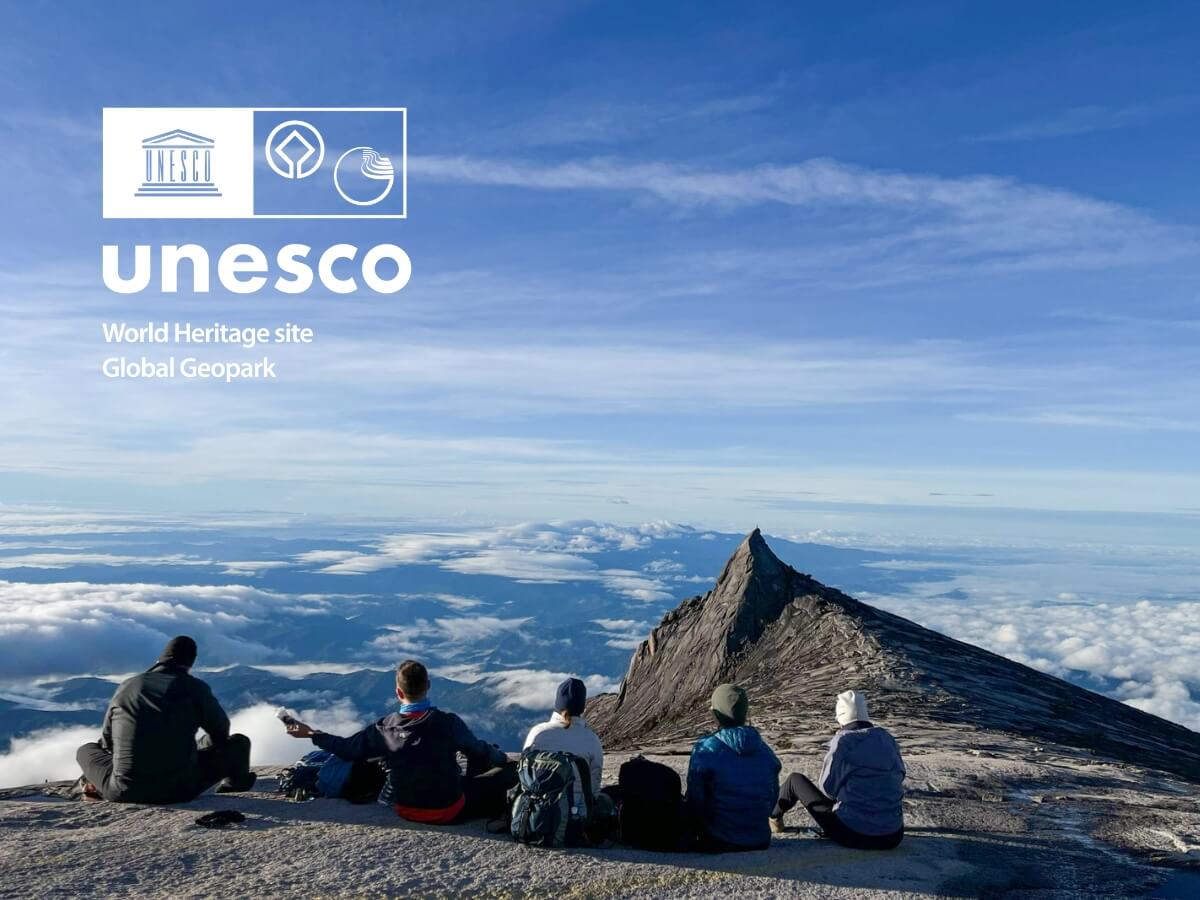
On 2 December 2025, Kinabalu Park celebrates its 25th anniversary as a UNESCO World Heritage Site. Awarded on 2 December 2000, Kinabalu Park became the first location in Malaysia to receive this prestigious recognition for its Outstanding Universal Value in biodiversity and geology.
Today, Kinabalu Park remains one of the most important natural landscapes in Southeast Asia and continues to attract scientists, climbers, and nature enthusiasts from around the world.
Celebrating a milestone in biodiversity, geology, and global conservation
- Malaysia’s first UNESCO World Heritage Site
- Recognised on 2 December 2000
- Home to more than 5,000 plant species and dozens of unique highland ecosystems
- Mount Kinabalu stands at 4,095 metres, the highest peak in Malaysia
- Achieved Global Geopark status in May 2023
- Holds rare UNESCO Triple Crown recognition
Celebrating a milestone in biodiversity, geology, and global conservation
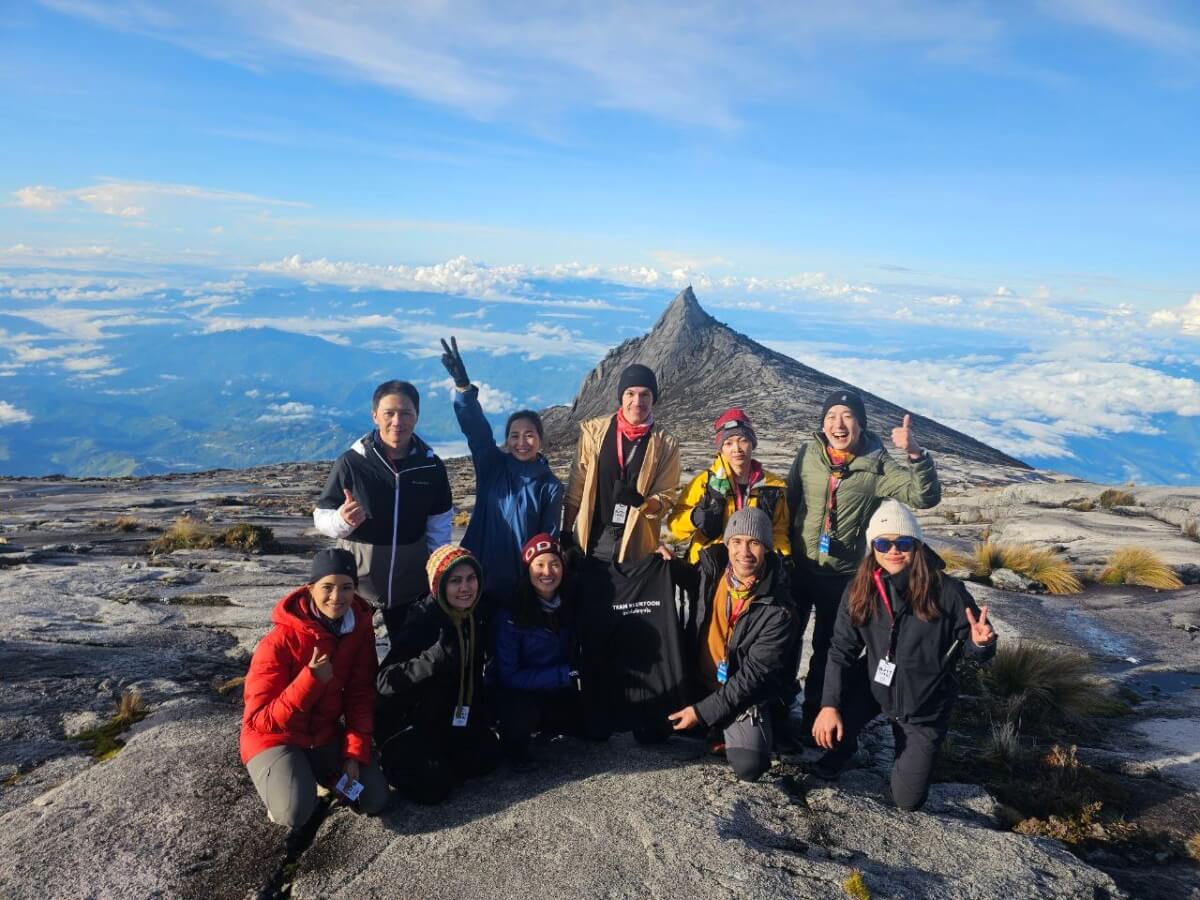
Kinabalu Park was inscribed on the UNESCO list for its Outstanding Universal Value. Few places on earth showcase such a complete range of ecosystems in one protected area.
Key reasons for UNESCO recognition:
- One of the richest biological sites in the world with exceptional species endemism
- A complete ecological gradient from lowland forest to subalpine zones
- Unique ultramafic soils that support rare and highly specialised plant life
- Ongoing scientific research that advances global understanding of evolution, adaptation, and tropical ecology
Species such as the Nepenthes rajah pitcher plant, Rafflesia keithii, and hundreds of endemic orchids highlight the park’s scientific significance and global conservation value.
Kinabalu Park's UNESCO Triple Crown Status
Kinabalu Park belongs to an elite group of global sites with UNESCO Triple Crown recognition. This rare achievement confirms Sabah’s leadership in conservation, geology, and sustainable development.
Kinabalu Park holds:
- UNESCO World Heritage Site designation since 2000
- UNESCO Global Geopark status since May 2023
- Crocker Range Biosphere Reserve under UNESCO’s Man and the Biosphere Programme
This combination affirms Sabah’s position as one of the planet’s most important natural destinations
A Park with Global Scientific Importance
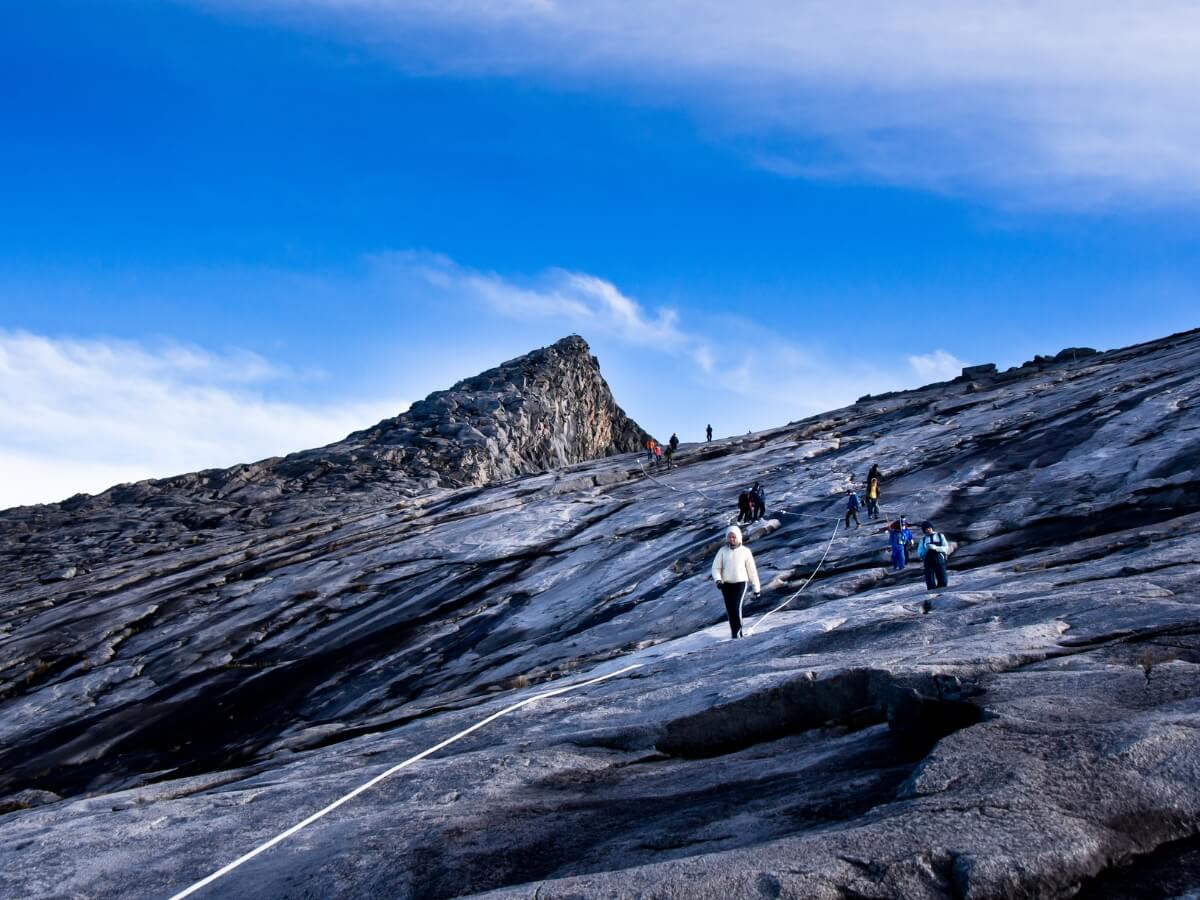
Mount Kinabalu dominates the landscape at 4,095 metres, formed through millions of years of tectonic uplift. Granite spires, steep rock faces, and glacially carved features make it one of Asia’s most distinctive mountains.
Kinabalu Park’s complex geology has produced extraordinary habitats that support rare and endemic species. This includes montane forests, cloud zones, mossy jungle, and high alpine vegetation that change dramatically with altitude.
The park remains a key research site for studies on climate adaptation, evolutionary biology, and biogeography.
25 Years of Conservation and Community Stewardship
Over the past 25 years, Sabah Parks has collaborated with local communities, researchers, global conservation bodies, and tourism operators to safeguard Kinabalu Park’s heritage. This includes habitat protection, species monitoring, community education, and responsible tourism practices.
As one of the most visited nature sites in Malaysia, Kinabalu Park is a model for balancing tourism with conservation. Local communities play a central role through homestays, guiding services, handicraft production, and cultural experiences that enrich the visitor journey.
Why Travellers Continue to Choose Kinabalu Park

Kinabalu Park attracts visitors from around the world for its diversity of experiences. Highlights include:
- Summitting Mount Kinabalu
A world famed climb that rewards hikers with panoramic views from Low’s Peak
- Nature and botanical trails
Explore rare orchids, ferns, carnivorous plants, and high elevation vegetation
- Geopark sites and interpretive experiences
Learn about ancient rock formations, cultural heirtage, and conservation stories
- Wildlife and birdwatching
Spot endemic birds, mammals, insects, and unique highland species
- Relaxation and wellness
Pair your visit with nearby Poring Hot Springs for a complete nature retreat
Kinabalu Park is a destination that appeals to adventurers, families, nature lovers, photographers, wellness travellers, and anyone seeking to reconnect with nature.
How Kinabalu Park Elevates Borneo as a Global Tourism Destination
Kinabalu Park continues to elevate Borneo’s reputation as a world leading nature destination. Its UNESCO recognitions help drive international visibility, scientific interest, and sustainable tourism. The park also supports local economies through community participation and nature-based tourism activities.
For travellers, Kinabalu Park represents one of Asia’s best examples of protected wilderness, scientific importance, and cultural connection.
Looking Ahead: Protecting a Global Icon for Future Generations

As Kinabalu Park celebrates its twenty fifth anniversary as a UNESCO World Heritage Site, Sabah’s commitment to conservation remains stronger than ever. The park’s triple crown status, long term scientific relevance, and community stewardship ensure that this natural treasure will continue to inspire visitors for decades to come.
Kinabalu Park is not only a national pride of Malaysia. It is a global landmark of biodiversity, geology, and cultural heritage that deserves continued protection and celebration.